
Mobile casino play has changed in a way that feels obvious once you notice it: more games are now being designed to fit the phone the way people actually hold it. Instead of asking players to rotate the screen, many studios and operators are leaning into portrait-first layouts, quicker interfaces, cleaner menus, and mechanics that make sense on a narrow display. This is not happening in isolation. Market researchers tracking online gambling and online casino growth say mobile is the fastest-growing device segment, helped by constant improvements in smartphone access, mobile internet, and app and web performance.
That shift matters because mobile casino users do not behave like desktop users. They move faster, dip in and out of sessions, respond to smoother interfaces, and expect games to load cleanly without friction. Industry coverage focused on casino app design also points out that mobile UX, notifications, reward loops, and interface choices now shape retention as much as the games themselves. When operators compete for mobile attention, screen orientation stops being a technical detail and becomes part of the product strategy.
Why vertical play feels natural on mobile
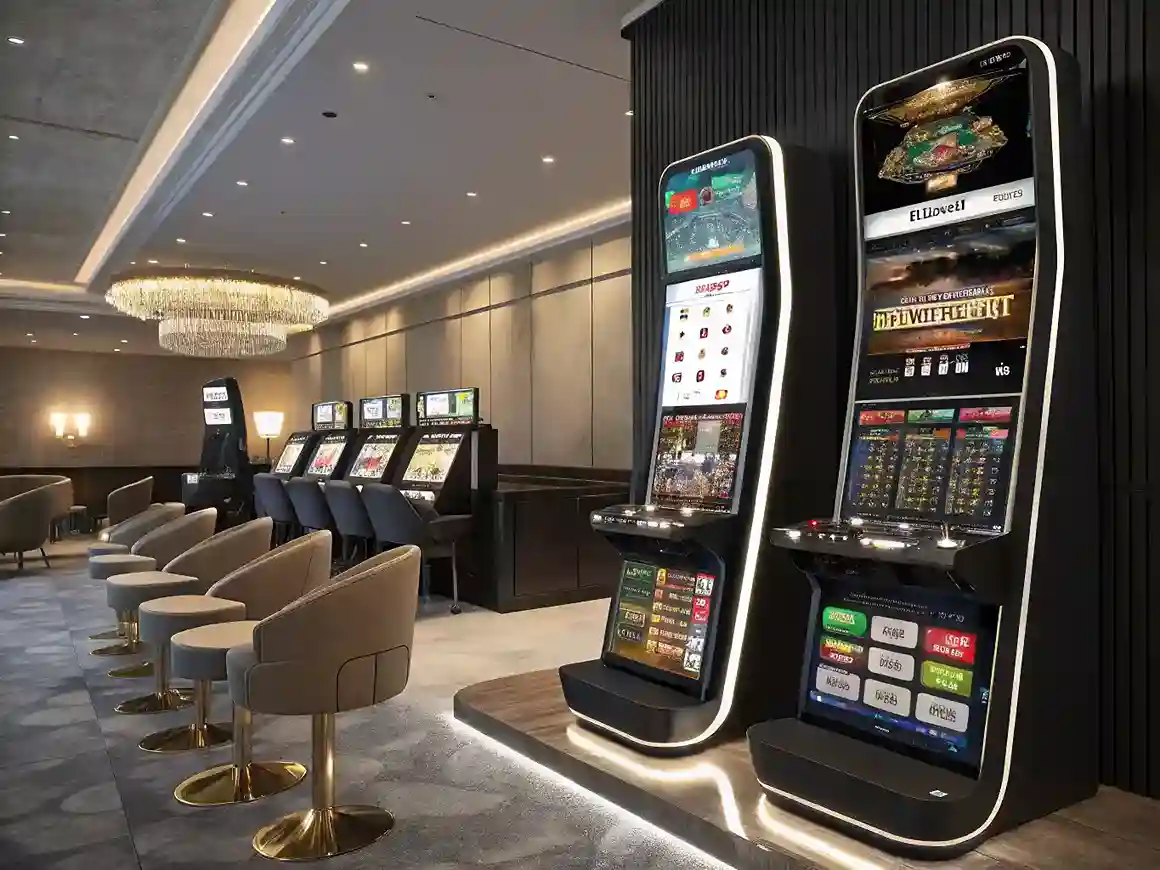
Portrait gaming is gaining traction because it matches everyday phone use. Most people scroll social apps, watch short clips, reply to messages, and browse sites vertically. Asking them to turn the device sideways introduces a small but real interruption. In a crowded mobile market, even small interruptions hurt engagement. That is why more studios are building games and interfaces that feel native to one-handed use, especially for short, repeat sessions. Evidence across the sector supports the wider logic: mobile-first content deals, mobile-optimised game launches, and operators promoting mobile play as a core selling point have become routine rather than exceptional.
The appeal of vertical formats is not only about convenience. It is also about visual rhythm. A portrait layout keeps the action close to the thumb zone, leaves less dead space, and helps menus, bets, spin controls, and feature prompts stay readable on smaller screens. In some cases, developers have gone beyond adapting classic games and built titles specifically for portrait interaction. One example surfaced by SlotCatalog is Vertical Roulette, which is explicitly described as a mobile portrait game, with controls designed for quick play and screen-side flexibility. That is a useful sign of where the design language is moving: not just resized casino content, but content built around the physical habits of mobile users.
There is another reason vertical games feel timely. Mobile gambling is no longer a side channel added to a desktop-first product. For many users, mobile is the main entrance to the casino brand. Grand View Research says the mobile segment generated more than USD 33.9 billion in 2025 and projects strong continued growth through 2033, while Europe was the largest revenue-generating mobile market in 2025. When that much activity is happening on phones, design decisions that improve phone play become strategically important.
How studios and operators are adapting to the trend
The most visible adaptation is in game presentation, but the deeper change is structural. Providers are talking more openly about mobile-optimised launches, fast gameplay loops, and streamlined UI. Gamzix described one recent slot release as “fast, engaging and beautifully mobile-optimised,” while QTech Games highlighted a partnership bringing in mobile-first slots from 77 Gaming. These are not isolated comments from fringe brands. They reflect a broader push toward content that reads well on smaller screens and keeps pace with modern mobile habits.
Operators are adapting just as aggressively. LeoVegas presents its casino and sports products as optimised for mobile play. Casumo actively promotes its Android app around slots, live casino, jackpots, and sports in one mobile package. Mr Green does the same with its casino, sports, and poker apps, while BetMGM markets a casino app with thousands of games and a broad mix of slots, tables, and live dealer titles. Even where the exact app experience differs by jurisdiction, the direction is clear: mobile is not a smaller copy of the main product anymore. It is one of the main battlegrounds for acquisition and retention.
That helps explain why vertical-friendly design is attractive. A portrait-first environment makes it easier to onboard users quickly, surface game recommendations, show bonus prompts without clutter, and reduce the amount of finger travel needed during play. It also fits naturally with the wider mobile content economy, where vertical media has become the default mode of attention. Casino products are not social feeds, but they compete for time on the same device, under the same behavioural conditions. Products that respect those conditions usually perform better.
This is also where the difference between mobile web and dedicated apps becomes important. Some brands still deliver excellent browser play, and for many users that remains enough. Others use apps to create tighter navigation, more stable sessions, quicker re-entry, and richer promotional logic. Gambling Insider’s 2026 mobile casino rankings note that strong apps usually combine broad device support with large mobile-optimised libraries, including slots, blackjack, roulette, baccarat, and live dealer games. That mixture works best when the interface feels purpose-built for the phone screen rather than simply compressed.
Which mobile online casinos fit this direction best
When people talk about vertical gaming as a trend, they often mean more than literal portrait-only games. They are usually pointing to a broader mobile-first experience. On that basis, several casino brands stand out because they consistently position mobile play near the centre of their offer.
The first group includes long-established international names such as LeoVegas, Casumo, and Mr Green. LeoVegas has built much of its identity around mobile gaming and still markets its range as optimised for mobile play. Casumo pushes its app as a complete package that covers slots, jackpots, live casino, and sports. Mr Green frames its apps around convenience, premium presentation, and multi-product access. These brands matter because they show how operator identity itself can be shaped around mobile usability rather than around a desktop legacy product.
The second group is shaped by regulated-market scale, especially in North America. BetMGM is a strong example because it promotes a very large casino library through its mobile app and highlights the depth of its slots and table offerings. In the US, market reports also point to mobile betting as a key driver of online casino growth. That makes app quality, lobby speed, and mobile-native design features commercially decisive, even before discussion turns to portrait-oriented game formats.
A third category includes brands that may not market themselves specifically through “vertical format” language but still benefit from the trend because they prioritise mobile-friendly navigation, clean interfaces, and broad mobile game support. That is the practical reality of the market. Players do not always search for “portrait mode slots.” They search for a mobile casino that feels easy, fast, and readable. If the operator supports that experience, it participates in the trend whether or not it uses the term in marketing.
The comparison below captures how these better-known mobile casino names align with the current shift.
Before looking at the table, it helps to focus on one thing: the best fit for this trend is not simply the brand with the largest game count. It is the brand that makes mobile play feel smooth from lobby to gameplay, and that includes support for interfaces that work naturally in vertical use.
| Mobile online casino | Mobile positioning | What makes it relevant to the trend |
|---|---|---|
| LeoVegas | Strong mobile-first brand identity | Promotes a wide casino and sports experience optimised for mobile play. |
| Casumo | Dedicated app plus strong mobile UX | Markets app access to slots, jackpots, live casino, and sports in one place. |
| Mr Green | Multi-product mobile apps | Highlights casino, sports, and poker apps built for on-the-go access. |
| BetMGM | Large app-based casino library | Promotes 3,000+ games and broad mobile access to slots, tables, and live dealer play. |
The table also shows why the vertical-format conversation should not be reduced to a single mechanic. Portrait-friendly gaming sits inside a wider mobile quality stack: game loading, legible controls, fast navigation, and product architecture built around real phone behaviour. Operators that get those basics right are the ones most likely to benefit as vertical layouts become more common.
What vertical formats change for game design
The move toward vertical presentation changes more than the orientation of the reels or table. It changes pacing, emphasis, and the emotional structure of play. On a smaller upright screen, design has to become more selective. There is less room for decorative clutter and more pressure on clarity. Bonus prompts, win animations, feature counters, and betting buttons have to work without overwhelming the player. The strongest mobile games understand this and strip away everything that slows down recognition or interaction.
That design discipline often leads to a tighter and more modern feel. Animations become shorter, buttons become more thumb-friendly, and the information hierarchy gets sharper. This has a direct effect on session quality. A player using one hand on public transport or during a short break is more likely to stay with a game that feels immediate than one that asks for constant repositioning or precision taps. It is one reason why mobile app design is increasingly discussed in behavioural terms rather than purely visual ones. Industry analysis notes that sound, notifications, and interface feedback can significantly influence whether users return, stay longer, or uninstall.
There is also a content logic behind vertical design. Games that look good in portrait mode can borrow visual habits from other parts of mobile culture: stacked information, central focal points, and quick reward cues. That does not mean casinos are becoming social apps, but it does mean they are learning from the same attention economy. As more entertainment categories compete inside the same screen space, anything that reduces friction gains value.
Some practical advantages of vertical-friendly mobile casino design are easy to spot:
- Faster one-handed play with controls closer to the thumb zone.
- Cleaner presentation on smaller screens without forcing rotation.
- Better fit for short sessions and repeated check-ins during the day.
- More natural integration of lobbies, prompts, and game actions in one flow.
- Stronger alignment with the way users already consume mobile media.
These advantages help explain why vertical formats are likely to spread further, especially in lighter RNG content and fast table variants adapted for phone play. That does not mean landscape will disappear. Some live dealer games, feature-heavy slots, and immersive visual releases still work better in a wider orientation. The point is balance. The market is adding more portrait-native thinking because mobile has matured enough to demand its own design rules.
Why the trend matters for players, not just operators
For players, the value of vertical gaming is simple: less friction and more comfort. You notice it when the game loads quickly, the controls sit where you expect them, and the experience feels readable without effort. That may sound minor, but over time it shapes trust. A casino that feels awkward on mobile can seem dated even if its game library is large. A casino that feels smooth on mobile can win loyalty even without the loudest branding.
The trend also changes how players evaluate operators. A few years ago, the basic question was whether a casino had a mobile version at all. Now the standard is much higher. Users expect mobile payments, fast login, stable sessions, live casino support, clear bonus visibility, and navigation that does not punish smaller screens. Reviews of top mobile apps increasingly focus on these basics because they are now part of mainstream product quality, not specialist extras.
There is also a practical safety angle. Cleaner mobile UX can help users understand wagering conditions, game categories, deposit tools, and session controls more easily. That does not solve every problem, but it does reduce some of the confusion created by cramped or overloaded design. In a sector where trust and clarity matter, better mobile structure is not merely aesthetic.
At the same time, players should stay realistic. A sleek vertical interface does not automatically mean better value, fairer bonus terms, or faster withdrawals in every market. Good design can improve experience, but it should not replace common-sense checks. Licensing, payment reliability, support quality, and responsible gambling tools still matter more than visual polish. If a brand offers an impressive app but weak protections, the mobile shine is superficial.
Where the market is heading next
The next phase of this trend is likely to be broader than portrait slots alone. What looks more probable is a continued expansion of mobile-native casino architecture: more games designed to be readable without rotation, more lobbies structured around short-session behaviour, and more personalisation built around how users actually move through a mobile product. The commercial incentives are strong. Mobile is expanding quickly, and operators already see app and mobile-web quality as a critical lever for growth.
That will probably lead to a split in design priorities. Some products will go deeper into fast portrait play, especially casual slots and simplified RNG formats. Others will focus on hybrid design, allowing users to shift between portrait and landscape depending on the game type. Live dealer content may continue to favour wider presentation in many cases, but surrounding navigation and account journeys will still become more vertical and more thumb-led. In other words, the future is not one orientation replacing the other. It is mobile logic shaping more of the entire casino journey.
For operators such as LeoVegas, Casumo, Mr Green, and BetMGM, this creates a clear challenge. It is no longer enough to offer a mobile version of the main site. The brands that win are the ones that make mobile feel like the primary product. For studios, the challenge is equally clear: games need to feel native to the device, not merely compatible with it. That is why vertical-friendly design is becoming more than a passing visual trend. It reflects a deeper shift in how casino entertainment is built, distributed, and judged on the phone.
The most convincing reason to take the trend seriously is that it lines up with the logic of the wider digital world. People live in vertical mobile spaces. They browse there, watch there, shop there, and now increasingly gamble there as well. Casino products that adapt to that behaviour will keep growing. Those that do not will still exist, but they will feel older every year.
Vertical game formats are becoming a real trend in mobile online casinos because they solve a real problem: they make play easier on the device most people already use. That is why the idea is sticking. It is not a gimmick. It is the market adjusting itself to the screen in your hand.